What to Consider When Buying a Transmission Valve Body?
When it comes to purchasing a transmission valve body, several crucial factors demand consideration. This component plays a vital role in a vehicle's transmission system. Choosing the wrong valve body can lead to serious performance issues. Understanding its function helps to make an informed decision.
Firstly, check the build quality of the transmission valve body. Quality materials ensure durability and efficiency. Look for reputable brands recognized in the automotive industry. Genuine parts typically outperform generic alternatives. However, the price can differ significantly. Weigh the cost against long-term benefits.
Additionally, compatibility with your vehicle model is key. Not all valve bodies fit every transmission type. Research compatibility lists or consult with a mechanic. Reliable sources can offer valuable insights. Lastly, consider customer reviews and expert opinions. They provide a sense of real-world performance. Being well-informed reduces the risk of making a poor choice.
Understanding the Role of the Transmission Valve Body in Your Vehicle
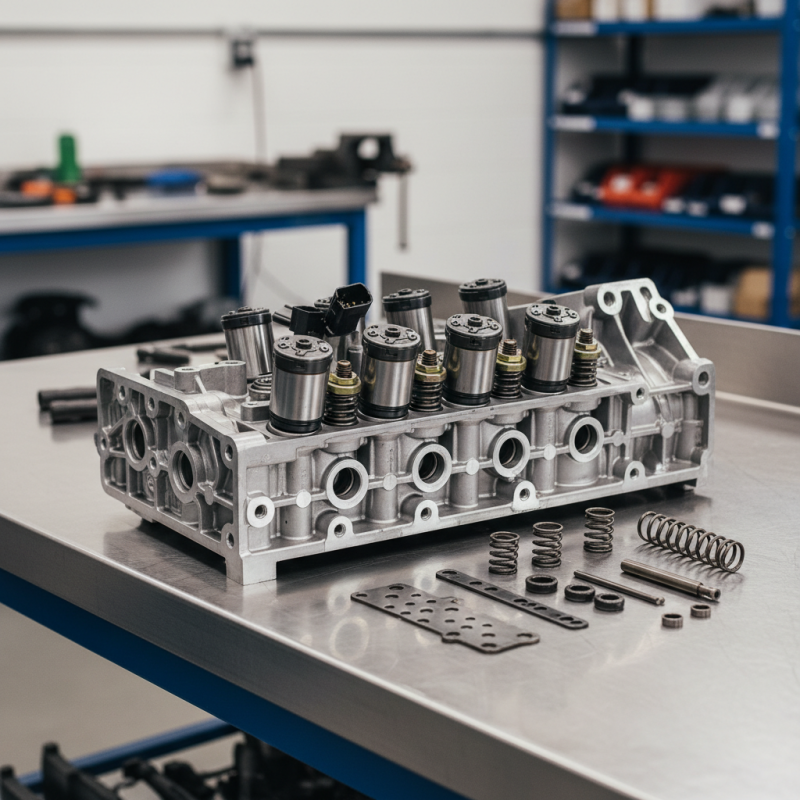
The transmission valve body is a crucial component in your vehicle's automatic transmission system. It is responsible for directing hydraulic fluid to various transmission parts, ensuring smooth gear shifts and optimal performance. A well-functioning valve body enhances the overall driving experience. It balances power and efficiency, helping the vehicle respond promptly to acceleration.
When considering a transmission valve body, think about its construction quality. Look for durable materials that can withstand high pressures and temperatures. The design's complexity matters too; a well-engineered valve body can improve shifting capabilities. Check for signs of wear, like leaks or clogs, which could signal issues. Delaying replacements can lead to significant transmission problems.
Many vehicle owners overlook the importance of proper installation. A faulty install can negate the valve body’s benefits. Knowledgeable mechanics understand the nuances of these components. Seek professionals who have extensive experience with transmission systems. This expertise ensures the right fit and function for your vehicle. Reflecting on these aspects can save time and money in the long run.
Key Factors to Evaluate When Choosing a Transmission Valve Body
When selecting a transmission valve body, several key factors demand attention. First, assess compatibility with your vehicle’s make and model. An improper fit can lead to severe transmission issues. Research indicates that mismatched parts can result in up to a 30% increase in maintenance costs over time.
Next, consider the material quality of the valve body. Different materials, such as aluminum or plastic, can significantly impact durability. Studies show that aluminum valve bodies tend to outperform plastic counterparts in wear resistance. In fact, vehicles fitted with high-quality aluminum components often report a reduction in operational issues by nearly 25%.
Additionally, evaluate the assembly’s design complexity. A simplified design often translates to easier installation and maintenance. However, be wary that overly simplified designs may compromise performance. Some users report issues stemming from such compromises. Always consult trusted automotive resources or professionals to gain insights and advice tailored to your specific needs. Your vehicle's performance depends on these choices.
Material and Build Quality: Importance in Transmission Valve Body Selection
When considering a transmission valve body, material and build quality are crucial factors. High-quality materials, such as aluminum or composite materials, enhance durability. Aluminum is lightweight yet strong, while composites offer resistance to wear and heat. These attributes contribute to the overall performance and longevity of the valve body in various conditions.
Construction quality matters immensely. A well-crafted valve body ensures smoother shifts and better fluid control. Look for precise machining and attention to detail in the design. Poor craftsmanship can lead to leaks or failures. It's essential to examine the sealing and fittings. These components must withstand high pressure and temperature.
Sometimes, it’s easy to overlook these details in favor of lower prices. However, saving on materials can lead to bigger problems down the line. Selecting a robust valve body can prevent costly repairs and maintain vehicle reliability. Always consider the long-term effects before making a purchase.
Compatibility: Ensuring the Right Fit for Your Vehicle's Transmission System
When selecting a transmission valve body for your vehicle, compatibility is essential. A proper fit ensures optimal performance of your transmission system. Each vehicle make and model has unique specifications. Mismatched parts can lead to poor shifting, leaks, or even complete transmission failure.
When searching for the right valve body, consider the vehicle's specifications. Pay attention to the year, make, and model. Checking service manuals can guide you in identifying compatible parts. Online forums often provide valuable insights from other owners who faced similar challenges.
Tips: Always verify the part's compatibility with your specific vehicle. Don’t hesitate to ask professionals for their expertise. It’s better to invest time upfront than deal with costly replacements later.
Another mistake happens when buyers overlook the condition of the valve body. Remanufactured parts may offer a more budget-friendly option but can come with their own issues. Obtain transparent information about the part's history and functionality. A warranty can also provide extra reassurance.
Tips: Seek vendors that offer warranties. This ensures you have recourse in case of defects. Reading reviews can also help gauge the reliability of a supplier. Make informed decisions to safeguard your investment.
Expert Tips for Installing and Maintaining a Transmission Valve Body
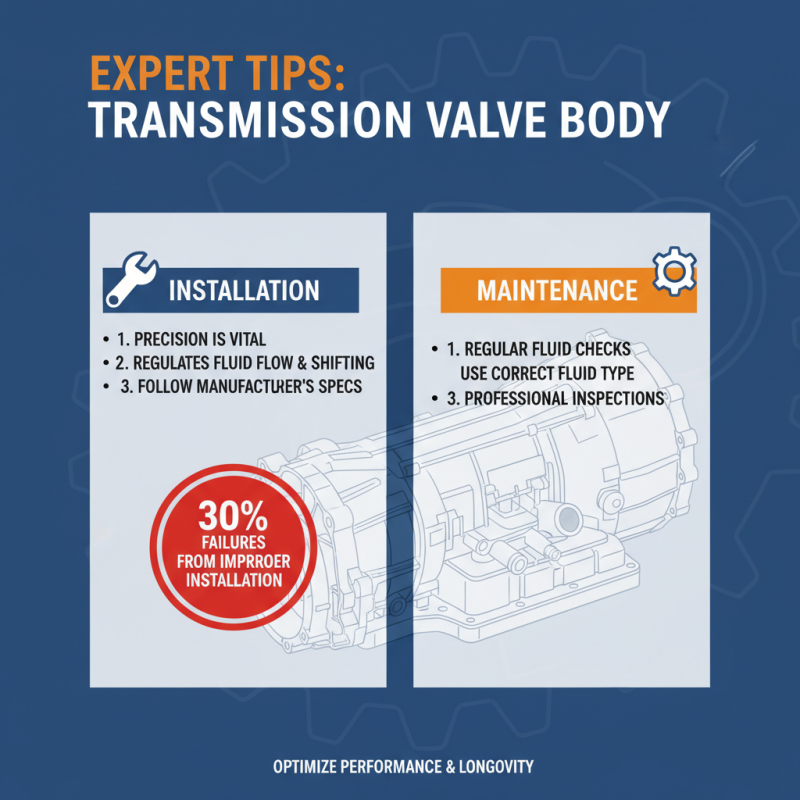
When it comes to installing a transmission valve body, precision is vital. This component regulates fluid flow, impacting shifting performance. According to industry reports, nearly 30% of transmission failures result from improper installation. Therefore, ensuring you follow the manufacturer's specifications is paramount.
Before installation, inspect the valve body for dirt or debris. Even small particles can cause significant issues. Use a clean workspace and high-quality tools. A study published by the Journal of Automotive Engineering highlighted that meticulous cleaning can reduce failure rates by up to 20%. Additionally, pay attention to the torque specifications of the mounting bolts. Over-tightening can lead to cracks, while under-tightening may result in leaks.
Regular maintenance is essential for longevity. Flushing the transmission fluid every 30,000 miles can enhance the valve body’s performance. Consider using a fluid analysis service to assess contamination levels. This proactive measure can prevent premature wear. Neglecting maintenance can lead to costly repairs, as evidenced by data from vehicle service records showing that nearly 15% of all valve body replacements stem from lack of care.