How to Choose the Right Transmission Valve Body for Your Needs?
Choosing the right transmission valve body is crucial for optimal vehicle performance. The valve body controls fluid flow in automatic transmissions, impacting gear shifts. Selecting the wrong one can lead to reliability issues.
Understanding your vehicle's requirements is essential. Factors such as make, model, and intended use play significant roles. A transmission valve body tailored to your needs enhances durability and efficiency.
Researching valve body specifications is vital. Consider consulting experts or mechanics for advice. They can provide valuable insights. Remember, the ideal valve body will not only fit perfectly but also enhance your driving experience. Make an informed choice for better performance and longevity.
Understanding the Role of Transmission Valve Bodies in Vehicles
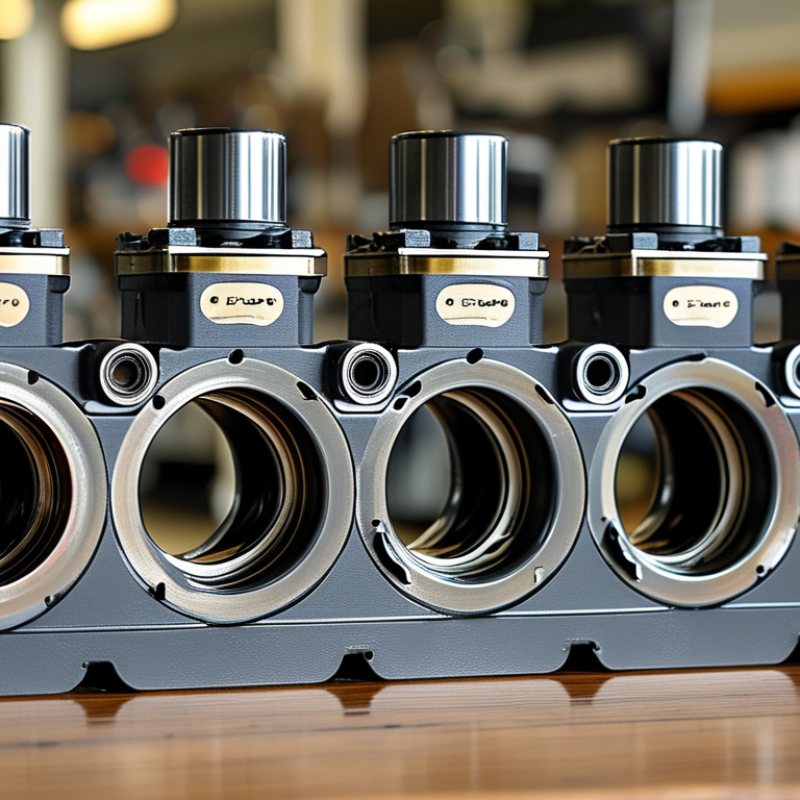
The transmission valve body is a critical component in any vehicle’s transmission system. It controls fluid flow, directing hydraulic pressure to appropriate gears. This process allows smooth shifts between gears, supporting overall vehicle performance. A faulty valve body can lead to erratic shifting or slipping gears, impacting driving safety.
Understanding how valve bodies work is essential for vehicle maintenance. They are often complex and designed for specific transmission types. This makes choosing the right one a crucial decision. If you notice abnormal behavior during gear shifts, consider the valve body as a potential culprit. Assessing the symptoms can aid in identifying issues, but repair or replacement decisions should be made with caution.
Not all vehicles will require a new valve body during regular transmission service. Sometimes, cleaning or simple adjustments can resolve issues. However, replacement may become necessary after significant wear. A thorough inspection will reveal if a new valve body is really your best option, helping to prevent unnecessary expenses.
Identifying Different Types of Transmission Valve Bodies Available
Choosing the right transmission valve body requires understanding the types available. Common valve bodies include electronic, hydraulic, and manual types. Each type has distinct features and applications. For example, electronic valve bodies are often integrated with advanced control systems. They offer precision but can be sensitive to electrical issues.
Hydraulic valve bodies use fluid pressure for operation. This approach is more traditional and generally easier to maintain. However, they can lack the efficiency of electronic systems. According to a recent industry report, about 40% of vehicles still use hydraulic valve bodies due to their reliability. Manual valve bodies allow for driver control, giving a more engaging driving experience but may lack in fuel efficiency.
When selecting a valve body, consider the vehicle’s requirements. Performance needs, driving habits, and maintenance capabilities matter significantly. Research shows that choosing the wrong type can lead to decreased performance or costly repairs. Many consumers overlook the importance of compatibility with specific vehicle models. This oversight can create a mismatch, leading to dissatisfaction and operational failures. Being informed will help navigate the complexities of transmission valve bodies effectively.
Factors to Consider When Choosing a Transmission Valve Body
Choosing the right transmission valve body is crucial for vehicle performance. Various factors influence this decision. One major factor is compatibility with your vehicle's make and model. A poorly matched valve body can lead to inefficient shifting and increased wear. According to a recent industry report, approximately 30% of transmission issues stem from incorrect parts selection.
Another important element is the material used in the valve body. Aluminum is popular for its lightweight properties, yet steel offers better durability. This choice impacts both performance and longevity. In fact, studies reveal that vehicles with optimized valve body materials experience a 15% increase in efficiency.
Additionally, valve body complexity affects installation time and costs. Complex designs might require specialized tools or knowledge. In some cases, this can lead to higher labor costs. According to automotive analysts, nearly 20% of repairs arise from improper installations. Reflecting on these factors helps ensure better decision-making. Knowledge is key when selecting the perfect transmission valve body for your vehicle.
Assessing Compatibility with Your Vehicle's Transmission System
When selecting a transmission valve body, compatibility with your vehicle's transmission system is crucial. Each vehicle has specific requirements. For example, the configuration, size, and internal mechanisms of the valve body must match precisely. Mismatches can lead to poor performance or even damage.
Start by examining your vehicle's manual. It can reveal necessary specifications for the valve body you need. Pay attention to details like the type of transmission, valve body type, and any unique features. Contacting a certified technician is advisable. Their expertise can clarify compatibility issues and guide your choices.
It's essential to consider installation challenges. Some valve bodies may not fit seamlessly. This can complicate or lengthen the installation process. Ensure the correct tools are available. It's also wise to think about future needs. Will you upgrade your vehicle later? Understanding compatibility now can save you headaches down the road.
Tips for Installation and Maintenance of Transmission Valve Bodies
When installing a transmission valve body, attention to detail is crucial. Ensure that all parts are clean before assembly. Dust and debris can significantly affect performance. Check the gaskets and seals meticulously. Damaged components can lead to leaks and inefficiency. Using the correct torque specifications is essential to avoid warping.
Regular maintenance is vital for the longevity of your valve body. The fluid condition should be checked periodically. Dirty fluid can cause shifting issues and premature wear. Flushing the transmission every 30,000 miles can help maintain performance. Additionally, monitor for any unusual noises or slipping. If anything seems off, it’s better to investigate sooner rather than later. Preventive measures will save time and money in the long run.
Consider the installation environment as well. Extreme temperatures can impact the valve body’s function. Ensuring that the workspace is organized can prevent lost parts or confusion. Mistakes during installation can lead to costly repairs. Reflecting on past experiences can provide insights into potential pitfalls. Knowledge gained from previous installations is invaluable for future projects.