Choosing the right valve body begins with the process, not the catalogue.
Industrial valve demand continues to grow across water, energy, chemical, and manufacturing facilities. Grand View Research valued the global industrial valves market at approximately USD 78.6 billion in 2023. Its report also projects continued growth through 2030. However, market estimates vary because researchers classify valves differently. That detail deserves attention.
A valve body must tolerate pressure, temperature, corrosion, erosion, and repeated cycling. A carbon steel body may suit clean, moderate-temperature service. Stainless steel offers stronger corrosion resistance. Duplex alloys can protect demanding seawater applications, but they increase purchasing costs. Plastic bodies may perform well in selected chemical systems, yet temperature limits can become serious. Small errors here become expensive leaks.
Béla G. Lipták, a respected control-engineering author, wrote, “The control valve is the final control element in a process control loop.” His point extends beyond the actuator. The valve body contains the pressure boundary and shapes the flow path. Engineers should therefore compare pressure class, end connection, trim compatibility, fugitive-emission requirements, and applicable standards, including API and ASME requirements.
Field experience still matters. A specification sheet cannot show sediment packed around a seat, or vibration loosening a connection. That is where selection becomes less tidy. The cheapest valve body may create higher maintenance costs later. Yet the most expensive alloy is not automatically the safest choice. Application data must lead the decision, with independent testing and supplier documentation supporting it.
Reports cited: Grand View Research, Industrial Valves Market Size, Share & Trends Analysis Report.
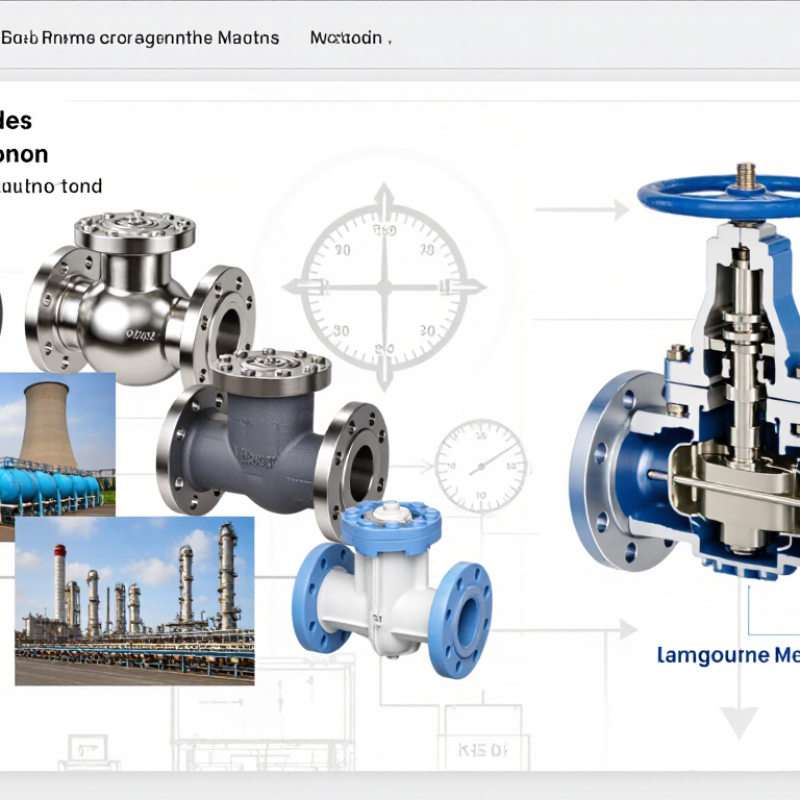
A valve body is the pressure-containing foundation of a fluid control system. It guides flow between ports, supports internal components, and withstands operating forces. Its shape also affects pressure loss, maintenance access, and installation space. A carefully selected body can improve system stability. A poor match may create leaks, vibration, or premature wear.
Start with the fluid itself. Check its temperature, pressure, viscosity, and chemical behavior. Water, steam, oil, and corrosive media demand different material considerations. Body materials may include stainless steel, carbon steel, alloy steel, or engineered polymers. Select the connection type and flow path according to the piping layout. Straight-through designs often reduce resistance, while angled or multi-port bodies can support compact control arrangements. I once saw a valve selected mainly by port size. That assumption failed when pressure drop became excessive.
Tips: Record normal and peak conditions before choosing. Allow a practical safety margin, but avoid unnecessary oversizing. Oversized valves can control poorly at low flow. Confirm pressure ratings, temperature limits, sealing compatibility, and inspection requirements with qualified engineers. Check access for repairs, too. This detail is easy to miss. Manufacturer data, recognized standards, and site measurements should support the final decision. If the service conditions remain uncertain, pause and verify them before ordering.
How to Choose the Right Valve Body for Your Application?
Matching valve body materials to the process media is essential for safe, reliable flow control. Stainless steel may resist many chemicals, but it is not universally suitable. Chlorides, acids, solvents, and abrasive slurries can attack materials differently.
Review the media temperature, concentration, pressure, and flow speed before selecting a body. High temperatures can weaken some alloys and damage soft internal components. Abrasive particles may erode narrow passages, while trapped moisture can accelerate corrosion. In field maintenance, small compatibility errors often become leaks, sticking valves, or expensive shutdowns. A material chart helps, but it is not enough. Actual operating conditions may change during cleaning, startup, or an upset condition.
Tips: Confirm chemical compatibility with current technical data. Check pressure and temperature ratings together, not separately. Consider body material, trim, seals, and connections as one system. If the fluid contains solids, ask for erosion and cavitation guidance. Test samples when the process is unusual. This step can feel excessive, yet assumptions are often more costly.
Material selection also depends on hygiene, outdoor exposure, and maintenance practices. Carbon steel may suit dry, controlled services, while corrosion-resistant alloys can perform better in wet environments. Plastic bodies may work well with certain chemicals, but heat and mechanical stress can limit their service life. The best choice is the material that remains stable throughout real operation, not merely during normal production.
| Valve Body Material | Typical Media Compatibility | Recommended Operating Conditions | Key Advantages | Important Limitations | Common Applications |
|---|---|---|---|---|---|
| Carbon Steel | Dry gases, hydrocarbons, lubricating oils, treated water, and many non-corrosive liquids. | Suitable for moderate to high pressure and a broad industrial temperature range when the selected grade and design code are appropriate. | High strength, good impact resistance, widely available, and generally more economical than stainless or nickel alloys. | Susceptible to corrosion in water, oxygenated service, acids, chlorides, and wet gas unless protected or properly lined. | Oil and gas processing, steam systems, utility piping, and general industrial service. |
| Cast Iron | Clean water, HVAC water, low-pressure air, and selected neutral fluids. | Best for low to moderate pressure and relatively stable temperatures with limited mechanical shock. | Good castability, vibration damping, and low material cost. | Brittle compared with steel; generally unsuitable for high pressure, severe thermal cycling, impact loading, or many corrosive media. | Building services, water distribution, cooling systems, and low-pressure utility lines. |
| Ductile Iron | Water, wastewater, air, and selected mildly corrosive industrial fluids. | Low to moderate pressure applications; temperature and corrosion resistance depend strongly on coatings, linings, and fluid chemistry. | Higher toughness and tensile strength than cast iron, with good cost efficiency. | Not a preferred choice for highly corrosive chemicals, high temperatures, or severe pressure and thermal cycling. | Municipal water, wastewater treatment, fire protection, and utility systems. |
| 304 Stainless Steel | Fresh water, many organic chemicals, food-processing fluids, and mildly corrosive liquids. | Useful across a wide temperature range, provided chloride concentration and temperature are controlled. | Good general corrosion resistance, cleanability, and resistance to oxidation. | More vulnerable to chloride pitting and stress-corrosion cracking than molybdenum-bearing stainless grades. | Food and beverage equipment, general chemical service, water systems, and sanitary processes. |
| 316 / 316L Stainless Steel | Seawater-related environments with limitations, chlorides at controlled levels, brines, pharmaceutical fluids, and many chemical solutions. | Suitable for corrosive service over a broad temperature range; actual chloride and temperature limits must be checked. | Molybdenum improves resistance to pitting and crevice corrosion compared with 304 stainless steel; 316L is suitable for welded fabrication. | Not immune to chloride attack; warm concentrated chlorides and stagnant crevices can still cause corrosion. | Chemical processing, marine equipment, pharmaceutical systems, food processing, and water treatment. |
| Duplex Stainless Steel | Chloride-containing water, seawater service, brine, sour-service environments, and selected chemical process fluids. | Appropriate for demanding pressure and corrosion conditions when welding, heat treatment, and temperature limits are controlled. | High strength and improved resistance to chloride pitting and stress-corrosion cracking compared with conventional austenitic stainless steel. | Requires controlled fabrication; excessive temperature exposure can reduce corrosion resistance and toughness. | Desalination, offshore systems, chemical processing, pressure piping, and seawater equipment. |
| Alloy 20 | Sulfuric acid, phosphoric acid, nitric acid, and selected mixed-acid services. | Useful in carefully defined acidic environments where stainless steel may not provide sufficient resistance. | Strong resistance to sulfuric-acid corrosion and good resistance to intergranular attack in properly selected conditions. | Performance varies significantly with acid concentration, temperature, oxidizing conditions, and contaminants; not a universal acid-resistant material. | Acid production, fertilizer processing, chemical plants, and industrial pickling systems. |
| Nickel-Based Alloy | Severe acids, hot chlorides, wet chlorine-containing gases, and highly corrosive chemical mixtures. | Selected for high-temperature or highly aggressive service after detailed corrosion evaluation. | Excellent resistance in environments where common stainless steels and carbon steel may fail. | High cost; alloy selection must consider the exact chemical composition, concentration, temperature, velocity, and impurities. | Specialty chemical processing, pollution-control systems, severe sour service, and high-corrosion applications. |
| Aluminum Bronze | Seawater, brackish water, and selected marine fluids. | Suitable for many marine applications at moderate temperatures and controlled flow conditions. | Good resistance to seawater corrosion, erosion, and biofouling compared with many conventional copper alloys. | May be unsuitable for certain ammonia-containing, sulfide-containing, or high-velocity environments; galvanic compatibility must be assessed. | Marine valves, ship systems, seawater cooling, and offshore utility service. |
| PVC or CPVC | Many dilute acids, alkalis, salts, and corrosive aqueous chemicals. | PVC is generally used at lower temperatures; CPVC permits higher temperatures, subject to pressure derating and chemical compatibility. | Low weight, strong resistance to many aqueous chemicals, and no metallic corrosion. | Lower mechanical strength and temperature capability than metal bodies; vulnerable to impact, solvents, ultraviolet exposure, and thermal expansion. | Water treatment, chemical dosing, laboratory systems, and corrosive liquid distribution. |
| PTFE-Lined Metal Body | Strong acids, strong bases, solvents, and highly corrosive chemicals that are compatible with PTFE. | Useful when the structural strength of metal is required with a chemically resistant wetted lining; temperature and vacuum limits must be verified. | Excellent chemical inertness and low friction across a wide range of aggressive media. | Limited resistance to high temperature, permeation, deformation, and mechanical damage; lining integrity is critical. | Chemical processing, acid transfer, corrosive wastewater, and high-purity chemical service. |
Selection note: Material compatibility must be verified against the exact medium, concentration, temperature, pressure, flow velocity, solids content, oxygen level, and applicable design standard. Body material selection should also be coordinated with the trim, seat, stem, gasket, lining, and end-connection materials.
How to Choose the Right Valve Body for Your Application?
Selecting a valve body starts with the flow requirement, not the equipment price. Define the medium, flow rate, pressure, temperature, and acceptable pressure drop. A full-port body usually supports higher flow with less resistance. A reduced-port design may fit tight spaces, but it can create greater turbulence. That difference matters in long pipelines and energy-sensitive systems.
I have seen a valve pass a basic inspection yet restrict flow during peak demand. The calculated Cv was suitable, but the piping layout increased losses. Check the valve body together with nearby elbows, reducers, strainers, and fittings. For clean liquids, a streamlined passage can improve efficiency. For fluids carrying particles, avoid narrow pockets where material may settle. Gas service also needs careful attention to velocity and noise.
Body geometry should match the control task. A globe-style body can provide precise throttling, while a ball-style passage often supports quick, open flow. This is not absolute. Actual performance depends on sizing, trim, installation, and operating conditions. Review manufacturer flow data and confirm it with qualified engineering calculations. A practical test with pressure gauges can expose assumptions early. I have sometimes chosen a smaller body to save space, then reconsidered after reviewing maintenance access. Compact is not always practical. Test the real duty cycle when possible.
Select the valve body design that best matches the required liquid flow velocity range.
Globe valves are commonly selected where precise throttling is required, while ball and butterfly valves are preferred for compact, lower-resistance on/off service. Gate valves are generally used for fully open or fully closed flow because throttling can cause excessive turbulence and wear. The velocity ranges shown are typical engineering guidance for clean liquid service; final selection should also consider pressure, temperature, fluid properties, cavitation risk, and the manufacturer’s sizing data.
Pressure and temperature define the valve body’s safe operating window. Do not select by line pressure alone. Check the maximum pressure at the actual process temperature. ASME B16.34 shows that allowable ratings can decrease as temperature rises, especially with certain materials. A steam line at 300°C needs a different review from a water line at 20°C. I have seen technically correct selections fail because startup pressure was ignored. That mistake is costly.
Size must match flow, not only pipe diameter. Calculate flow rate, pressure drop, fluid density, and required control range. An oversized valve may operate almost closed, causing unstable control and unnecessary wear. An undersized valve can create excessive velocity, noise, and erosion.
The U.S. Department of Energy identifies pumping systems as major industrial energy users, so poor valve sizing can increase energy demand across an entire facility. Check the valve coefficient using real operating conditions.
Connection standards also require discipline. Compare flange dimensions, pressure classes, facing types, and bolt patterns. ASME B16.5, EN 1092-1, and ISO 7005 are not automatically interchangeable. Threaded connections need the correct thread form, sealing method, and material compatibility.
The 2024 United Nations World Water Development Report highlights agriculture’s dominant share of global freshwater withdrawals, making reliable flow control important in irrigation systems. Yet the report does not replace field data. Confirm the medium, corrosion risk, maintenance access, and installation orientation. A clean datasheet can still hide an unsuitable choice.
How to Choose the Right Valve Body for Your Application?
Verify Compliance, Maintenance Needs, and Total Operating Cost
Selecting a valve body begins with the service conditions, not the purchase price. Record pressure, temperature, flow media, and operating cycles. Then verify pressure-temperature ratings, material compatibility, and required certifications. A body suitable for clean water may fail quickly in abrasive slurry or corrosive chemicals. Check the applicable industry codes and site regulations with a qualified engineer. Documentation matters. Request test records, material certificates, and clear traceability from the supplier.
Maintenance access deserves equal attention. Can technicians reach the fasteners without removing nearby pipework? Will seals, packing, or actuators need frequent replacement? During field inspections, I have seen a low-cost valve create long shutdowns because its body required special tools. Leave space for safe isolation and inspection. Keep critical spare parts available. Small details matter.
Calculate total operating cost across the expected service life. Include energy loss, inspection labor, replacement parts, downtime, disposal, and training. A cheaper valve body may impose higher costs through leakage or frequent adjustment. Yet lifecycle estimates are never perfect. I have underestimated labor when access was poor. Recheck assumptions using maintenance records from similar systems. Consider corrosion allowances, seasonal temperature changes, and future process modifications. A slightly higher initial investment can be reasonable when it reduces unplanned work and improves compliance confidence.