What Is Liquid Rust Remover and How Does It Work?
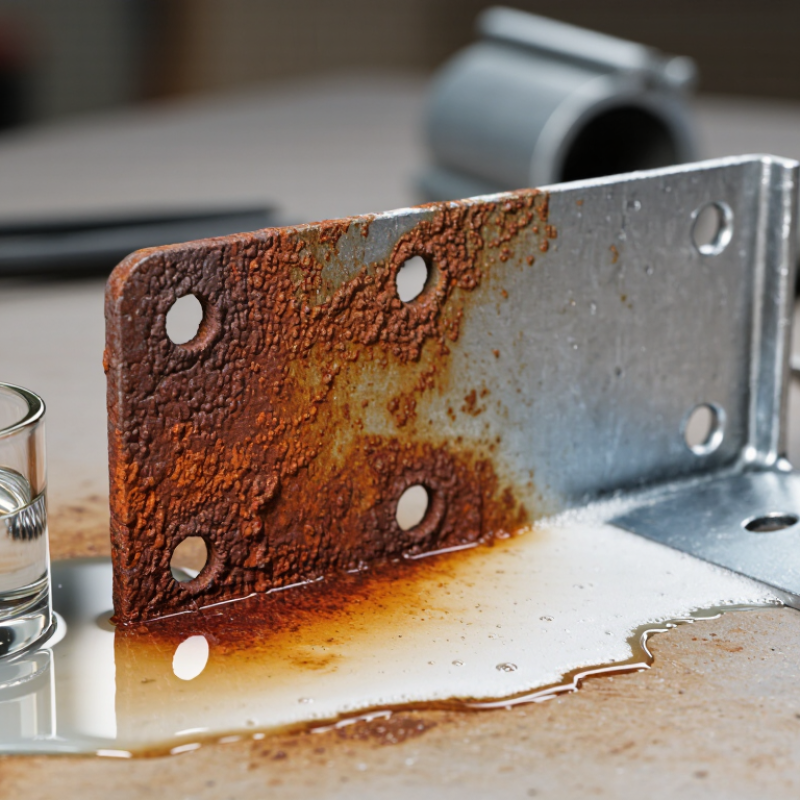
Rust can turn a bright steel bracket into a rough, orange-brown surface within months. Liquid Rust Remover is designed to dissolve or loosen these iron oxide deposits. It helps restore metal without relying only on scraping, sanding, or abrasive tools.
Most formulas use acids, chelating agents, or reducing compounds. Acids react with rust and convert it into soluble substances. Chelating agents bind iron compounds, helping lift corrosion from the surface. The exact reaction depends on the product, rust thickness, temperature, and metal type. Some solutions work within minutes. Others need repeated applications.
In practical use, cleaning the surface first makes a noticeable difference. Oil, dirt, and loose flakes can block the liquid from reaching deeper corrosion. Apply the product evenly, follow its stated dwell time, and rinse or neutralize it as directed. Protective gloves and eye protection remain sensible choices.
Results vary.
A heavily pitted tool may look cleaner but remain structurally weakened. This distinction matters. Rust removal improves appearance and surface condition, yet it cannot rebuild missing metal. Users should test a small hidden area before treating valuable parts, painted surfaces, aluminum, or mixed-metal assemblies. I have found that impatience often causes problems; leaving a strong solution too long can stain, etch, or dull the surface. Understanding how Liquid Rust Remover works makes treatment more controlled, realistic, and reliable.
What Is Liquid Rust Remover?
Liquid rust remover is a water-based chemical solution designed to loosen or dissolve iron oxides on steel. It is not simply “liquid sandpaper.” Most formulas use mild acids, chelating agents, or both. Phosphoric, citric, and oxalic acids can react with rust, while chelators bind iron compounds and help lift them from the surface. Some products also contain wetting agents, allowing the solution to enter pits, threads, and narrow seams.
The chemistry is practical. The active ingredients attack the porous rust layer before reaching sound metal. Some treatments dissolve the oxide; others convert it into a darker, more stable coating. Results vary with rust thickness, temperature, and contact time. The label may promise a clean surface. Real steel often disagrees. A 2016 NACE IMPACT study estimated global corrosion costs at about 2.5 trillion dollars annually, equal to roughly 3.4% of global economic output. That figure explains why controlled rust removal matters in maintenance work.
Use begins with removing oil, dirt, and loose scale. Apply the solution evenly, then check a small area first. The reaction may take minutes or several hours. Rinse thoroughly when the rust softens. Dry the metal immediately, because clean steel can flash-rust quickly. Follow with a suitable primer or protective coating. Ventilation matters. Gloves and eye protection matter more than many users expect. Acid strength, dwell time, and residue control should be verified for each metal, especially aluminum, zinc, or polished surfaces.
What Ingredients Give Liquid Rust Removers Their Power?
What Is Liquid Rust Remover and How Does It Work?
What Ingredients Give Liquid Rust Removers Their Power?
Liquid rust removers dissolve or loosen iron oxides from steel surfaces. Their performance depends on chemistry, contact time, and surface condition.
According to NACE International’s IMPACT study, corrosion costs the global economy about $2.5 trillion annually, equal to roughly 3.4% of global gross domestic product. That figure explains why rust treatment matters beyond appearance.
Acids often provide the main cleaning power. Phosphoric acid can react with iron oxides and convert them into more stable compounds. Citric acid offers a milder option for some household and maintenance uses. Chelating agents bind dissolved iron, helping keep it suspended in the liquid. Surfactants improve wetting, so the remover can reach pits, threads, and narrow scratches. Corrosion inhibitors reduce attack on exposed base metal, although they cannot protect every alloy equally.
The chemistry is powerful, but not magical. Heavy scale may need repeated applications and gentle brushing.
Tips: Test a small hidden area first. Wear suitable gloves and eye protection. Keep the surface visibly wet during treatment, then rinse and dry it thoroughly. The U.S. Environmental Protection Agency advises following product-label directions for chemical handling and disposal. I have found that rushing the rinse step often causes renewed staining. Also, “mild” does not mean harmless; ventilation and material compatibility still deserve attention.
How Does Liquid Rust Remover Break Down Rust?
Liquid rust remover works by attacking rust chemically, not by simply washing it away. Rust is mainly hydrated iron oxides formed when iron meets water and oxygen. The NACE IMPACT study estimated that corrosion costs about US$2.5 trillion globally each year, equal to roughly 3.4% of worldwide economic output. That scale explains why controlled rust removal matters in maintenance.
Most liquid removers use acids, chelating agents, or both. Phosphoric acid reacts with iron oxide and can form iron phosphate, a more stable compound that may help prepare steel for coating. Citric and oxalic acids dissolve oxide layers by binding iron ions in solution. Chelating agents work more selectively, pulling iron from rust without aggressively attacking sound metal. The liquid must reach the rust layer. Thick flakes can block contact.
Temperature, concentration, and exposure time change the result. A warm solution often reacts faster, but excessive heat may increase metal loss. Rinsing is essential because leftover acid can restart corrosion under paint or oil. Dry the surface quickly. Then protect it.
A practical mistake is assuming longer soaking always works better. It does not. On thin steel, overexposure can create pitting. Liquid rust remover also cannot repair weakened metal; it only removes corrosion products. The AMPP corrosion-control guidance emphasizes inspection and prevention, yet inspection is often skipped. A wire brush, clean water, and careful lighting can reveal damage that chemistry hides. Test a small area first.
How to Apply Liquid Rust Remover Safely and Effectively
Liquid rust remover dissolves or converts iron oxides on metal surfaces. Common formulas use acids, chelating agents, or phosphate-based compounds. Their chemistry loosens the orange-brown layer without aggressive grinding. Results depend on rust thickness, metal type, and contact time.
Preparation matters. Read the safety data sheet before opening the container. Wear chemical-resistant gloves, eye protection, and protective clothing. Work outdoors or in strong ventilation. Remove loose flakes with a nylon brush, then apply a small amount to a hidden area. Follow the stated dwell time. Do not let the liquid dry on the surface. Rinse thoroughly, dry immediately, and apply suitable protection if the metal will face moisture. Never mix rust remover with bleach or other cleaners.
Tips: Use a plastic tray, not bare concrete. Keep a timer nearby. Test twice if the metal is valuable.
A 2016 NACE IMPACT study estimated global corrosion costs at about $2.5 trillion annually, equal to roughly 3.4% of global GDP. Careful rust removal can support maintenance, but it cannot repair deep pitting or weakened metal. Inspect the surface under bright light after rinsing. A second application may help. Sometimes, stopping early is safer. Overexposure can dull finishes, alter coatings, or attack sensitive alloys. Dispose of residues according to the product instructions and local requirements.
What Is Liquid Rust Remover and How Does It Work?
Liquid rust removers commonly use acids to react with iron oxides, converting rust into soluble iron compounds that can be rinsed away. Lower pKa values indicate stronger first acid dissociation; they do not directly predict cleaning speed or product safety.
Reference pKa₁ values at approximately 25°C: oxalic acid 1.25, phosphoric acid 2.15, and citric acid 3.13. Actual liquid rust-remover formulations may contain different concentrations, additives, inhibitors, and pH levels. Wear gloves and eye protection, test on a small area, follow the product safety data sheet, avoid mixing chemicals, keep the surface wet only for the stated contact time, and rinse and dry the treated surface thoroughly.
What Surfaces Can Liquid Rust Remover Treat?
Liquid rust remover is designed mainly for ferrous metals, including iron and uncoated steel. It dissolves or loosens iron oxide, allowing the surface to be scrubbed clean. The exact reaction depends on the formula, concentration, and rust thickness.
It works well on hand tools, garden equipment, steel fasteners, vehicle parts, railings, and outdoor furniture. A rusty hinge may need only a short soak, while a heavily corroded bracket can require repeated treatment. I usually remove loose flakes first, apply the liquid evenly, and check the surface every few minutes. Small details matter.
Use caution with painted metal, plated surfaces, aluminum, zinc, copper, and delicate alloys. Some formulas can dull finishes, stain nearby materials, or leave uneven marks. Stone, wood, fabric, and masonry also need separate testing because the liquid may penetrate or discolor them. Chrome-plated parts deserve special care. Test an unseen area first. Always follow the product instructions, wear suitable gloves and eye protection, and maintain ventilation. I have found that rushing the process often creates more cleanup, especially when softened rust spreads onto clean areas. Even when a product appears gentle, compatibility should never be assumed.